
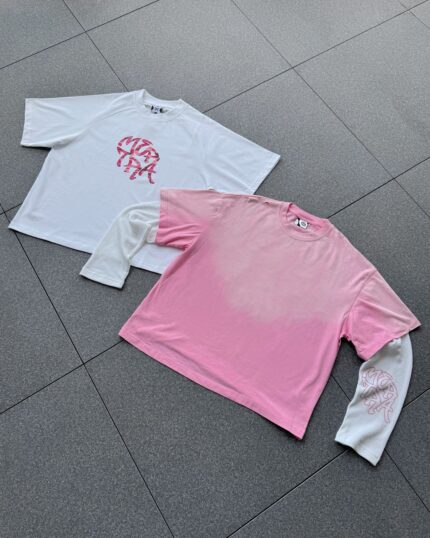
A Mertra Shirt & Sweatshirt Pink
Original price was: £200.00.£110.00Current price is: £110.00.

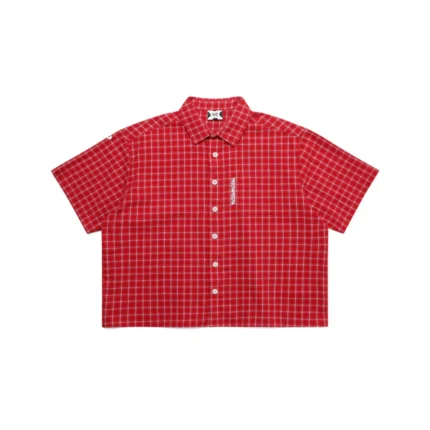
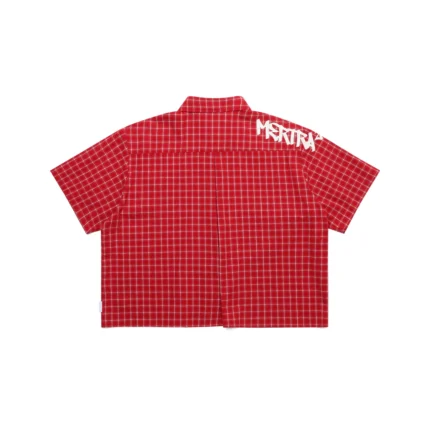
A Plaid Shirt (Red) – MERTRAMERTRA
Original price was: £220.00.£110.00Current price is: £110.00.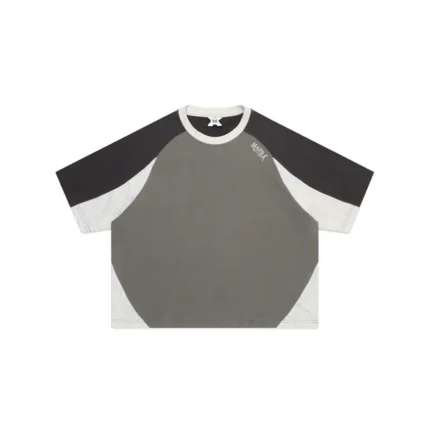
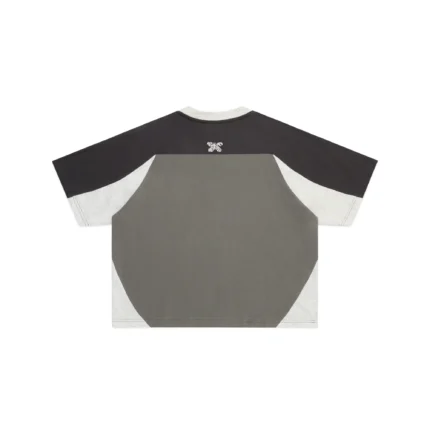
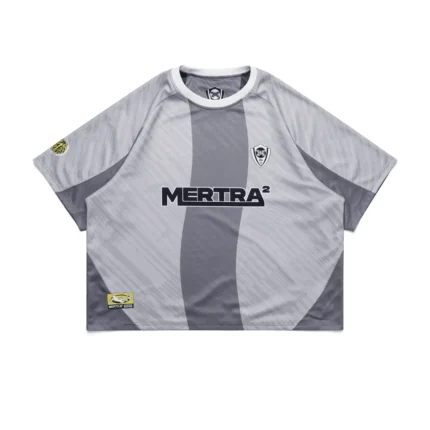


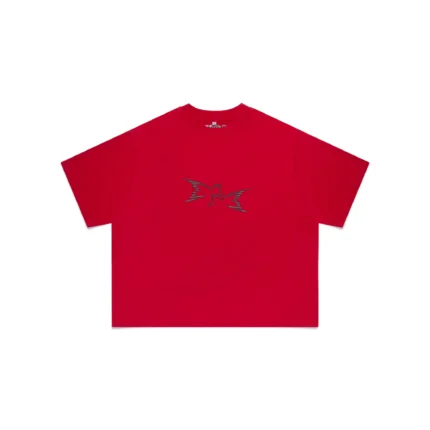

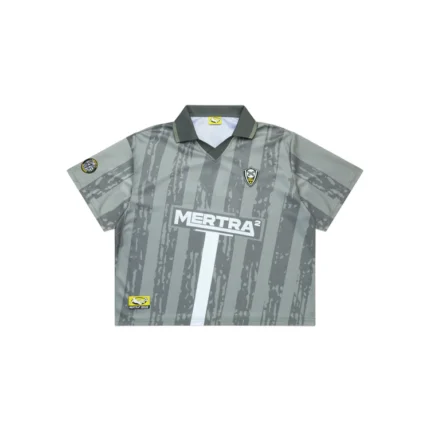
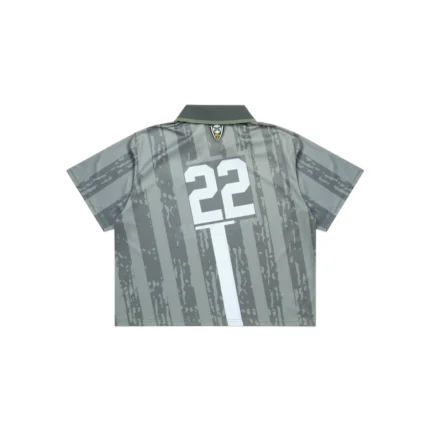
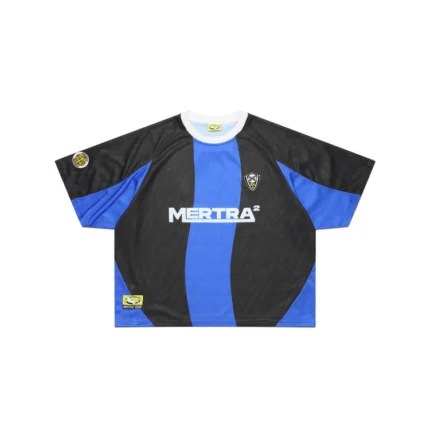
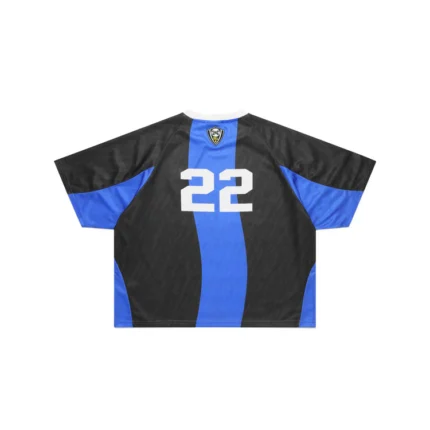


Mertra Hoodie Shirt Blue & Sky Blue Buy One Get One Free
Original price was: £200.00.£130.00Current price is: £130.00.Mertra Shirt:
In a fashion world increasingly driven by fleeting trends, the value of timeless essentials has never been more apparent. At the heart of every versatile wardrobe lies one key item: the shirt. Whether styled casually or as part of a more refined ensemble, a well-designed shirt speaks volumes about a wearer’s sense of intention. The Mertra does exactly that—without trying too hard.Drawing from principles of minimalism, function, and lasting form, the Mertra Shirt isn’t just another wardrobe basic. It’s a deliberate exercise in tailoring, fabrication, and restraint. Every aspect—from its silhouette to stitching—has been designed to reflect modern simplicity, offering a garment that’s quietly bold, endlessly wearable, and crafted to last.
Design Philosophy
The Mertra Shirt begins with a clear point of view: simplify the shirt without stripping away its purpose. This is not a flamboyant piece, nor is it overly traditional. It walks the line between utility and elegance, offering a clean silhouette with just the right amount of character.Key design elements include a slightly Mertra Shirt a structured collar, and clean plackets. There’s an obvious nod to classic shirting, but it’s reinterpreted for the contemporary wardrobe—less corporate, more intentional. The result is a shirt that works across different aesthetics: streetwear, workwear, minimalism, even quiet luxury.Every pocket, seam, and hem is intentional. Branding is either tonal or entirely hidden. The power of the Mertra Shirt lies not in loud design, but in its disciplined restraint.
Where Feel Meets Function
Material selection is at the core of the Mertra brand, and the shirt is no exception. Depending on the specific drop or season, the Mertra Shorts is crafted using a variety of premium, breathable fabrics—from dense cotton poplin and organic twill to brushed flannel or Japanese chambray.Each fabric tells its own story. Crisp poplin offers a smooth, polished texture ideal for layering. Twill brings structure and durability. Brushed flannel introduces a tactile softness, perfect for cooler seasons. And each one is finished with garment washing, enzyme treatments, or minimal dyeing techniques to maintain a soft hand feel and natural drape.Mertra doesn’t chase synthetic shortcuts. Natural fibers dominate, giving each shirt the ability to breathe, age well, and develop subtle character over time.
Relaxed, Refined, and Intentional
The fit of the Mertra Shirt strikes a deliberate balance: relaxed but not oversized, structured without feeling rigid. Designed with modern lifestyles in mind, it allows ease of movement while still maintaining a sense of silhouette.The shoulder seams are dropped slightly to enhance comfort, and the body is slightly wider than Mertra Tracksuit tailored shirts—giving it an effortless drape. Sleeves are often slightly elongated or cuffed with button details for subtle shape control. It’s a shirt that looks just as good tucked into trousers as it does worn open over a tee.Unlike mass-market slim fits or overly oversized silhouettes, Mertra has crafted a universal cut that flatters while leaving space for personal styling. It’s as wearable at a design studio or gallery opening as it is in a café or at home.
Versatility and Styling
Perhaps one of the strongest features of the Mertra Shirt is how easily it transitions between settings and styles. It’s the definition of a foundational piece—one that can be reinterpreted depending on how you wear it.Wear it buttoned up with structured pants and loafers for a clean, elevated look. Pair it open over a white tee with relaxed jeans or cargos for a laid-back, layered outfit. It also layers beautifully under jackets or knitwear, thanks to its clean neckline and even hemline.This kind of versatility is what makes the Mertra Shirt a true essential—it doesn’t dictate style; it supports it. It adapts to your mood, your pace, and your perspective.
Color Palette
As with all Mertra garments, the shirt’s color options stay firmly rooted in subdued, earthy tones. This approach not only Mertra Hoodie the brand’s minimalist identity but also enhances longevity—these aren’t colors that will go out of fashion.Core shades include ash black, warm sand, stone grey, bone white, deep navy, and faded olive. Occasionally, seasonal drops introduce slightly experimental hues like burnt clay, slate blue, or mineral green. But even these feel grounded, carefully desaturated to fit into the broader Mertra wardrobe system.Each shirt is either garment dyed or pigment washed, giving the fabric a slightly worn-in, organic appearance—never flat or sterile.
Quiet Enhancements
The Mertra Shirt includes subtle technical and practical elements that elevate its function without disrupting its aesthetic. Reinforced side seams offer extra durability. Hidden interior pockets on certain designs allow for discreet Mertra Jacket. Collars retain shape due to internal fusing, and cuffs are fitted with minimalist button systems that blend seamlessly into the design.Buttons themselves are often made from recycled resin or matte metal, finished to avoid drawing unnecessary attention. Hemlines are either straight or subtly curved—designed to look intentional whether tucked or untucked.
Cultural Positioning
The Mertra Shirt isn’t about fashion for fashion’s sake. It’s about making deliberate choices in how we dress, especially in an era when overconsumption and seasonal fads dominate.Worn by artists, designers, photographers, and modern creatives, the Mertra Shirt reflects a cultural shift toward intentional minimalism. The people who wear Mertra aren’t interested in hype—they’re interested in meaning, function, and quality.his shirt becomes a daily uniform not by accident, but because it meets the needs of those who Mertra Pants fast, think deeply, and demand more from what they wear.
Sustainability and Craft Ethics
Mertra’s commitment to sustainability extends into the production of its shirting. Most shirts are made from organic or ethically sourced materials, produced in small runs to avoid waste, and shipped in recyclable packaging.The brand favors slow production cycles, allowing time for refinement and testing—ensuring that each piece meets high standards before release. There’s no rush to overproduce. Instead, the goal is to craft garments that last, both in terms of quality and relevance.